
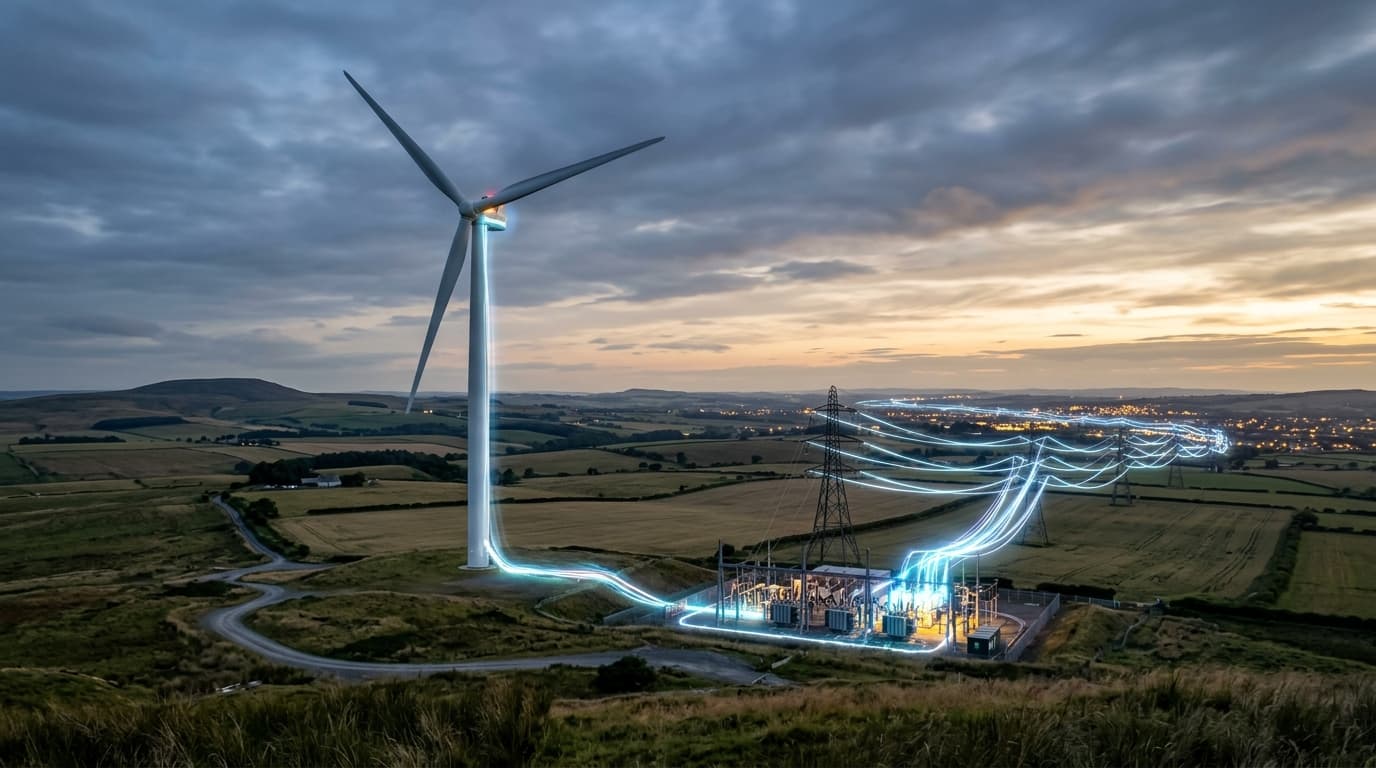
Wind turbines have become a cornerstone of renewable energy production, harnessing the natural power of the wind to generate electricity. But how much power can a land-based wind turbine actually produce? This article dives into the factors influencing their output, the technology that drives them, and the benefits they provide for a sustainable future.
**Understanding Wind Turbine Power Production**
Wind turbines work by converting kinetic energy from the wind into electrical energy. This process depends on a combination of advanced engineering and favorable environmental conditions.
Factors Influencing Power Output
**The Technology Behind Land Wind Turbines**
The power generation process of land wind turbines involves cutting-edge technology designed for maximum efficiency.
Difference Between Onshore and Offshore Turbines
Onshore Turbines: Installed on land, these turbines are easier to access and maintain but may face limitations due to noise and visual impact on local communities.
Offshore Turbines: Built in open waters, they benefit from stronger and more consistent winds, resulting in higher energy output, though installation and maintenance are more challenging.
**Typical Power Output of Land Wind Turbines**
The power output of wind turbines has significantly increased over the years, thanks to technological advancements.
Power Capacity of Modern Turbines
Small turbines for residential or small-scale use typically generate 2-10 kW.
Medium-sized turbines, often used in local grids, range between 100 kW and 1 MW.
Large commercial turbines can produce anywhere from 2 MW to 15 MW, depending on their design and wind conditions.
**Applications and Benefits of Land Wind Turbines**
Land wind turbines contribute immensely to the global shift toward renewable energy.
Renewable Energy Generation
Land wind turbines are powerful tools in combating climate change, providing a renewable energy source that benefits both the environment and the economy. As technology continues to advance, their power output and efficiency will only improve, solidifying their role in a sustainable future.